Hey, I'm Vicky Cheng
Right now, I’m diving deep into the world of AI as a UX expert evaluator at Mercor, vibe-coding and refining prompts for better responses. Working alongside AI labs has opened my eyes to how design principles can guide how we teach technology to understand instructions, intention, and context - and how AI, in turn, can push design to be more adaptive and insightful.
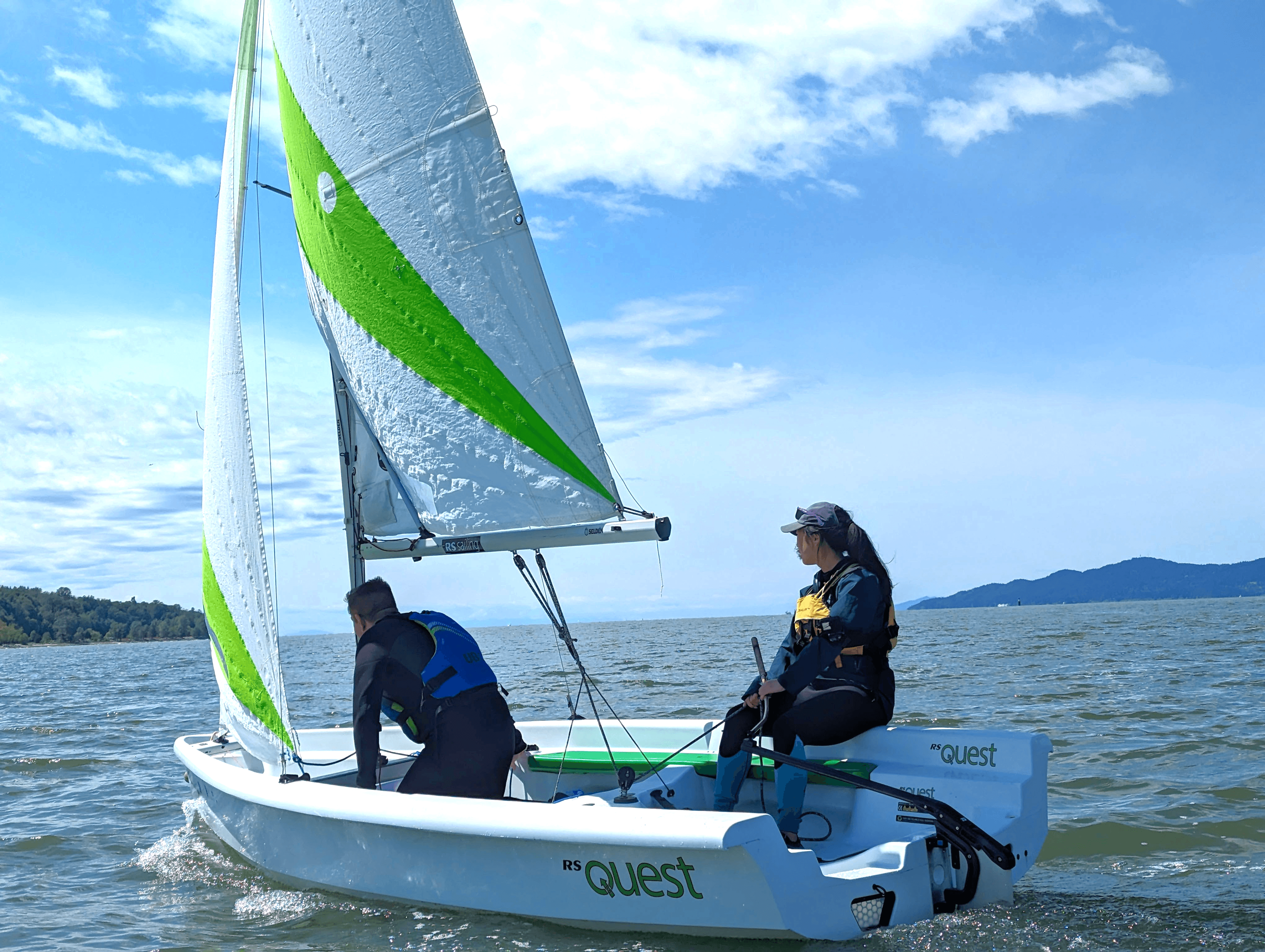
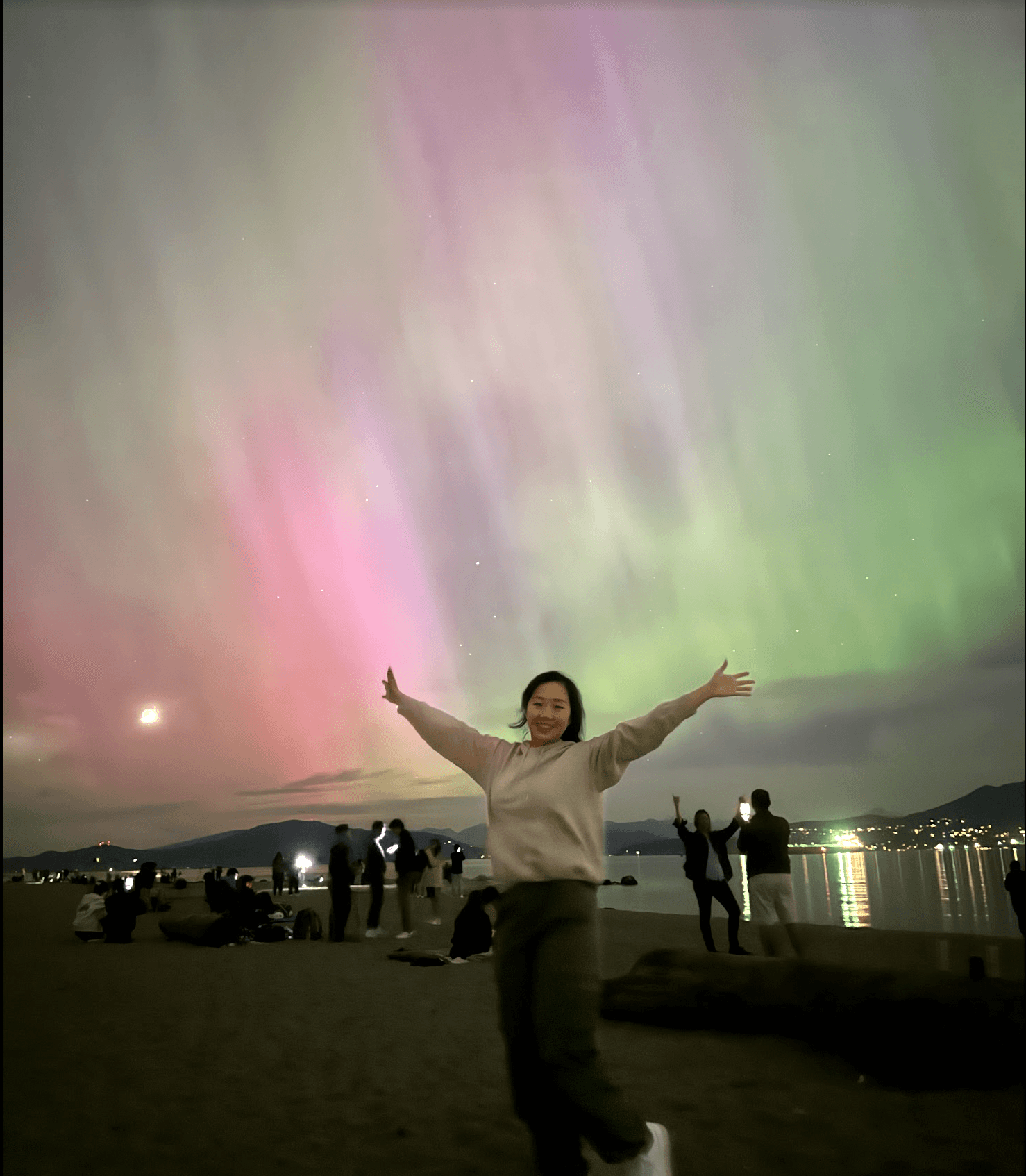
Outside of work, you’ll find me exploring the world (I’ve been to 38 countries so far, see where I've been ↗), hosting dinner parties, experimenting in the kitchen, learning about TCM or psychology, or out sailing and golfing when the weather’s right. My friends would probably describe me as kind, daring, and resilient - qualities that I bring into everything I design.
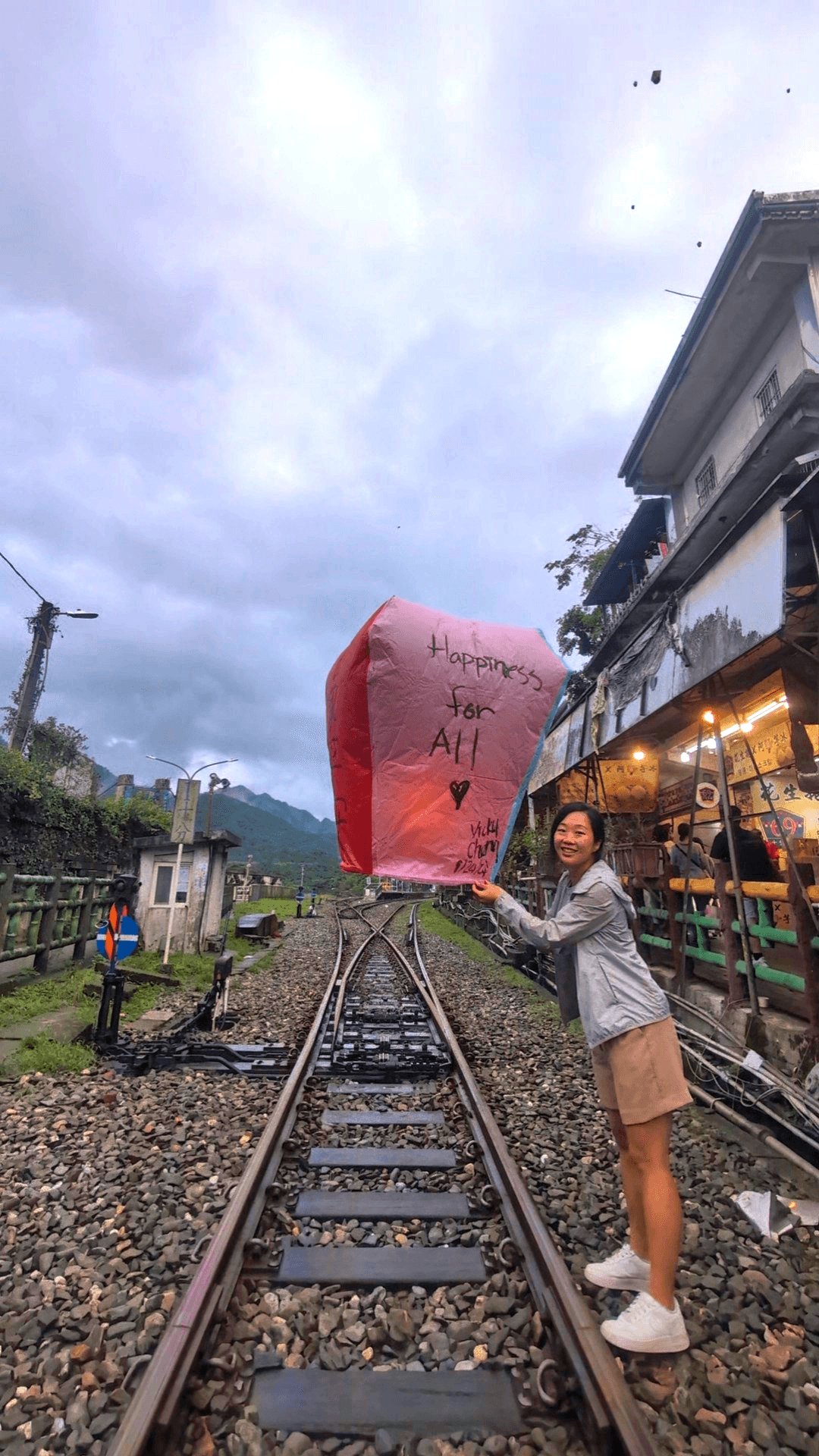
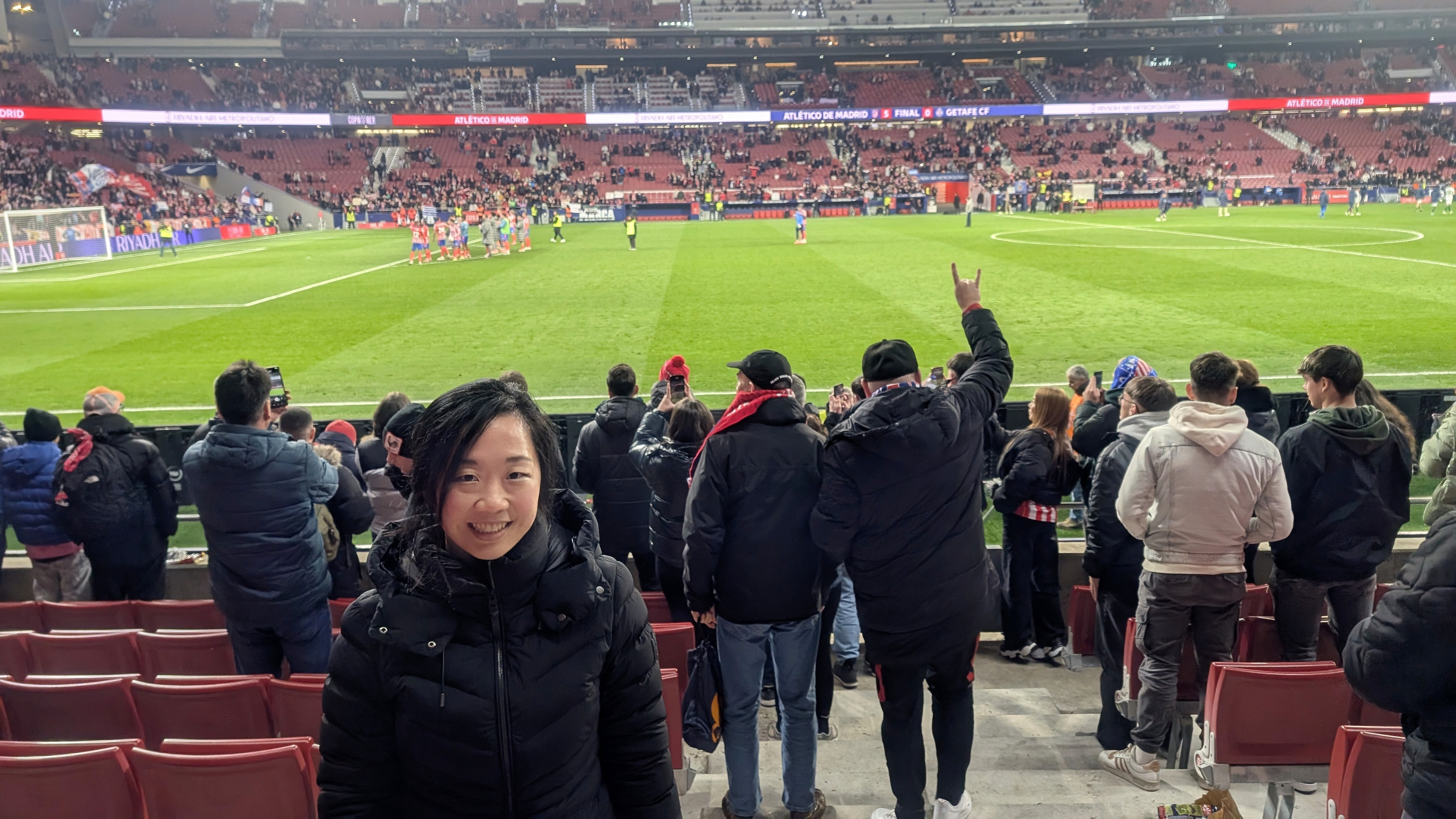
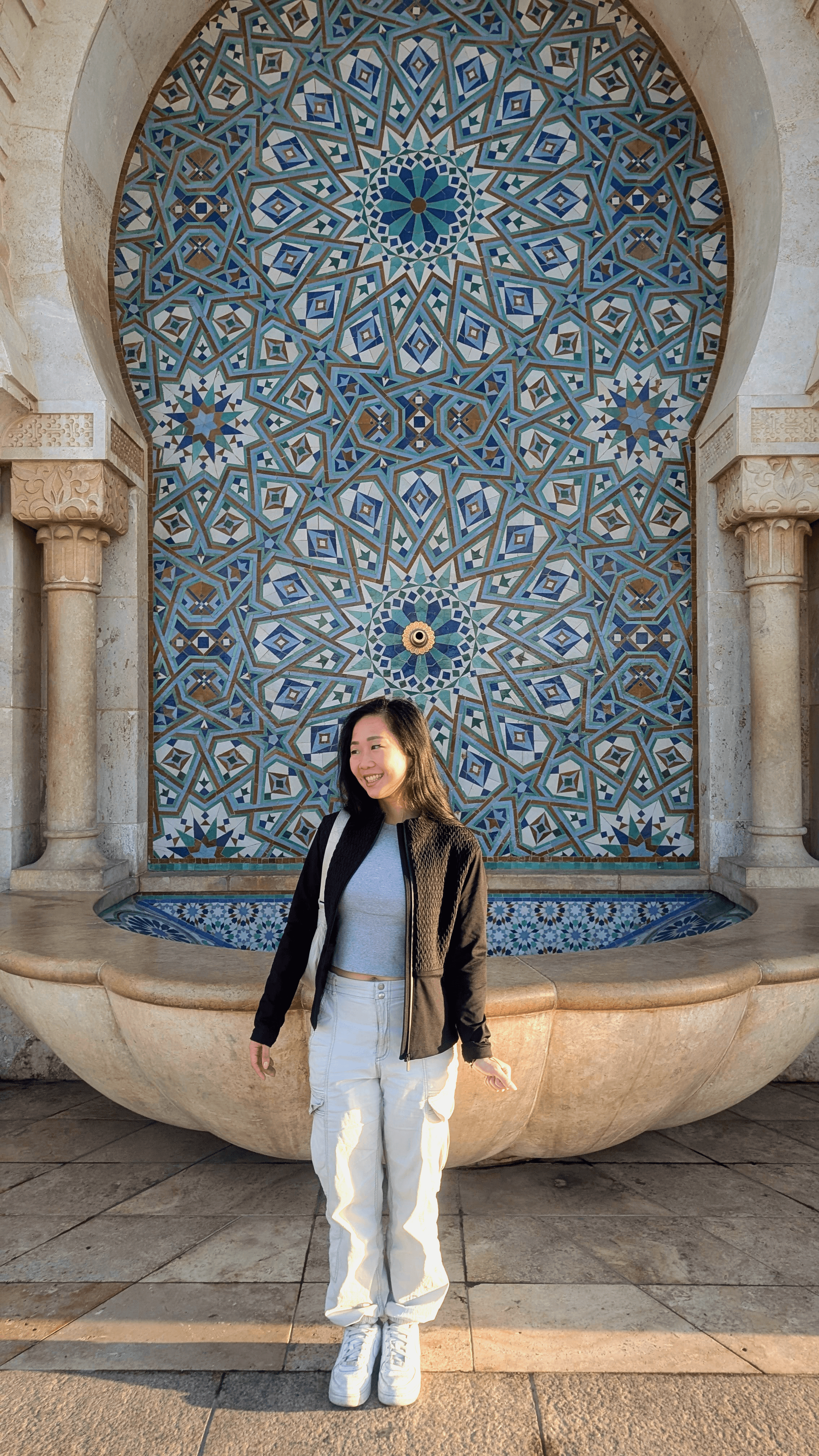
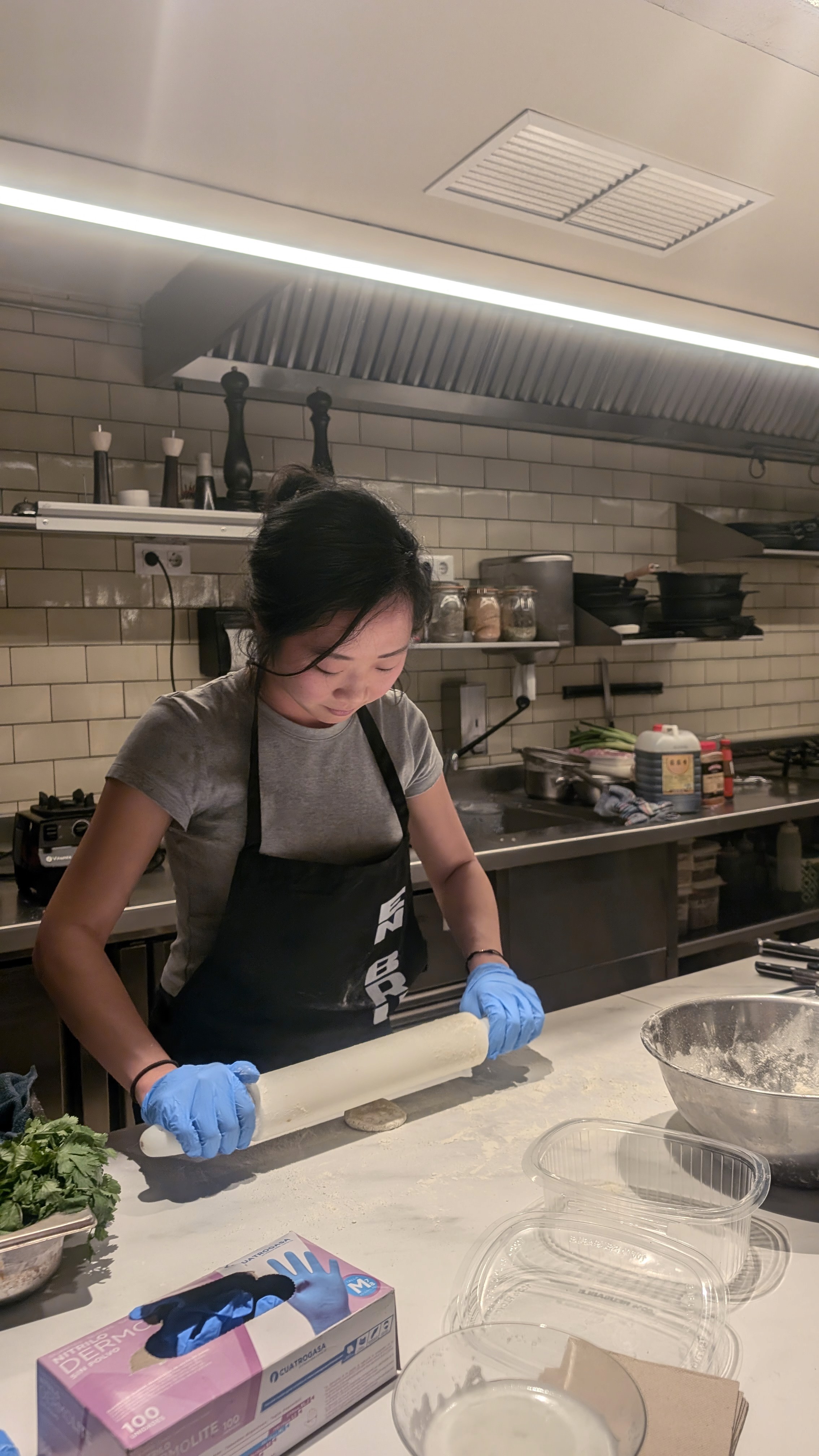
With 6+ years of UX experience, I’ve collaborated with a diverse range of teams, from pre-seeded and late-stage start-ups to large enterprises, particularly in the complex, operational B2B2C space. I’m passionate about pushing creative boundaries and delivering simple design solutions that truly make an impact.
UX Expert Evaluator
2025 ~
Product Designer II
2022 - 2024

Product Designer
2020 - 2022

UX Design Associate
2019 - 2020

UX Designer (Freelance)
2018 - 2019

UX Intern
2017 - 2018
Looking for a more detailed work experience?
Perhaps peek at my
or
Some photos from my gap year
As a third-culture kid born in Saudi Arabia and raised across five continents, I’ve spent my life navigating different cultures and perspectives. Those experience taught me to adapt, listen deeply, and seek out authentic connections - lessons that now shape how I approach both design and life.
In 2024 summer, I took a gap year to reconnect with extended family in Taiwan and challenge myself in new ways. I moved to Madrid, Spain, a city I’d never been to and where I didn’t know anyone, to study Spanish, cooking, and travelling (of course). Immersing myself in a new environment reminded me how much growth comes from stepping into the unfamiliar.
During that time, I also reflected on how language shapes the way we see the world. Having learned Mandarin, English, and now Spanish, I began to notice how each carries its own rhythm, logic, and way of expressing emotion and intent. Those differences revealed how deeply culture influences communication and mental models. That experience taught me that design, much like language, is another form of communication - one that can bridge cultures, help see beyond interfaces and into the ways people interpret meaning and connection, and make complex ideas universally understood. This is a lesson that continues to influence me on how to approach design for a diverse set of users.
Some of my favourite physical books
“Living in Beta is to put yourself out there as you are today.” - Bay McLaughlin
The idea of Living in Beta(-testing) has always resonated with me - not just as a catchy phrase (though I shamelessly have it as my IG bio), but as a way of approaching life. I’ve learned that growth doesn’t happen in the polished moments; it happens in the process, in the 1% improvements that build up over time. For me, being “in beta” means embracing the unfinished parts, showing up with curiosity, and being open to learning before I’m ready. Ultimately, accepting that being imperfect is actually not so bad.
Herbert Simon’s concept of bounded rationality has deeply shaped how I think: we never and will never have all the information, and that’s okay. Instead of waiting for perfect knowledge, I focus on making the best-informed decision with what I know today, learning, and iterating forward.
This is why I approach both design and life with the mindset that progress is better than perfection. Every challenge becomes an experiment; every obstacle, a test of flexibility. It’s about constantly evolving, one small improvement, one thoughtful iteration at a time. I remind myself to stay humble, keep ego out of the way, and stay curious enough to adapt fast - because that’s where true creativity and growth happen.
Where I get my design inspirations
“Design is the method of putting form and content together. Design can be art. Design can be aesthetics. Design is so simple — that’s why it’s so complicated.” - Paul Rand
People often ask me what design means to me.
For me, design exists in contrast to art, where art often reflects the self-expression of the creator, usually paired with pretty colors and visual. I believe design is more.
Good design is about empathy - it actually considers other people. It’s about creating with purpose, clarity, and empathy in mind, with the intention to improve . To me, design exists for someone else - it’s not self-expression, but as a form of service.
Good design is about functionality - whether something works, helps, or guides. Success isn’t measured by how beautiful something looks, but by how effortlessly it serves the person using it. A well-designed experience often feels invisible, because it means that it works.
Good design is simple - it listens, adapts, and communicates. It considers people, translating complexity into simplicity, turning intention into understanding and utility.
As you can see easily - empathy, functionality & simplicity are some my core values I bring in my design.